
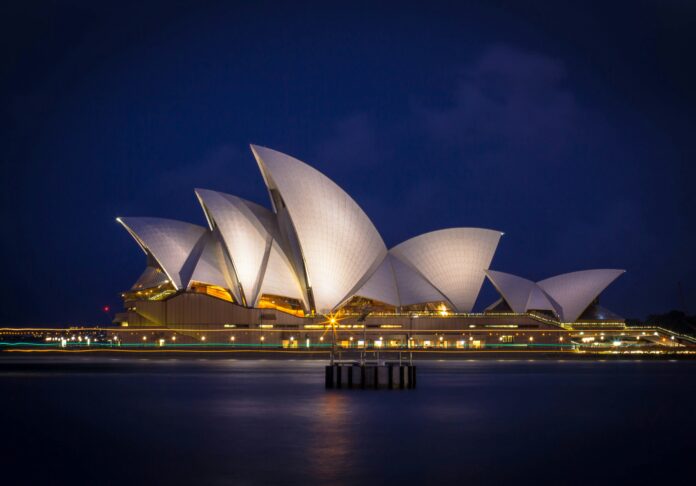

The Sydney Opera House in Sydney, Australia, is one of the most recognizable buildings in the world. It is considered a masterpiece of 20th-century architecture with its unique design that features roof shells shaped like boat sails. Continue reading to find out some quick facts about its history.
The Design of the Sydney Opera House Was a Result of an International Competition
The officials launched an international competition in 1956 in order to find a design for the Sydney Opera House. A total of 233 entries from 32 countries were submitted, with Danish architect Jørn Utzon being declared the winner and earning a compensation of 5,000 Australian pounds.
Sydney Opera House’s Construction Cost Went Well Over the Budget
The estimated budget for the construction of the Sydney Opera House was A$7 million. However, by the time the building was finished in 1973, the cost ballooned to A$102 million. Adjusted for inflation, it would be A$1.082 billion ($700 million) today.
More Than 1 Million Tiles Cover Sydney Opera House’s Roof
From a distance, it might seem like the “sails” of the Sydney Opera House are made from a single solid piece of material. However, the roof of the building is made out of more than one million tiles, which were imported from Sweden.
Sydney Opera House’s Has a Unique Heating And Air-Conditioning System
Aside from its roof, another thing that makes the Sydney Opera House unique is its heating and air-conditioning system. The system uses seawater that runs through 22 miles of pipes and powers the heating and air cooling units.
Paul Robeson Was the First Performer at the Sydney Opera House
American concert artist and actor Paul Robeson is credited as the first act to perform at the Sydney Opera House. During a two-month concert tour of Australia and New Zealand in 1960, Robeson visited the construction site of the venue and performed a short show for the construction workers.